


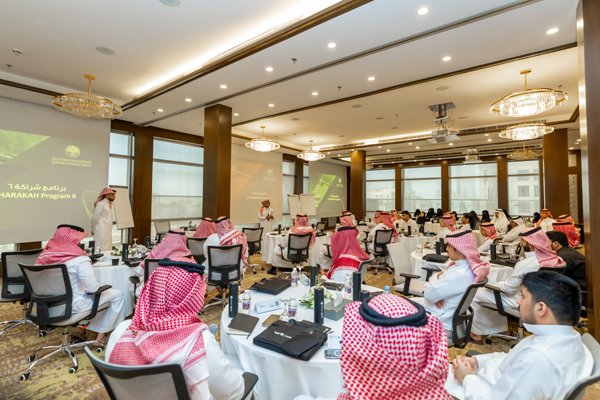
Saudi Water Partnership Company (SWPC) is proud to announce the launching of the 6th edition of Sharakah Program, marking another milestone in the program’s journey of success over the past years. This initiative reflects SWPC’s continued commitment to developing and empowering national talent by equipping young professionals with the knowledge, skills, and practical experience needed to thrive in today’s competitive job market.
Since its inception, the Sharakah Program has successfully trained over 150 participants across previous editions. Many of its graduates have secured key positions within SWPC and other leading organizations across the water, energy, and infrastructure sectors. This year, the program welcomes 50 new trainees, carefully selected through a rigorous process designed to attract top Saudi talent.
The program focuses on critical disciplines within the water and infrastructure sectors, including engineering, economics, finance, and law, with the aim of preparing highly qualified professionals capable of leading strategic national projects.
Spanning 12 intensive weeks, the program offers a blended learning experience combining theoretical knowledge with practical exposure through workshops, real-world case studies, and field visits to major projects led by SWPC. This hands-on approach provides participants with a comprehensive understanding of industry practices and challenges.
As an integrated platform for empowering the next generation, the Sharakah Program equips trainees with essential competencies in contract management, financial modeling, and project procurement strategies. It also introduces participants to the principles of Public-Private Partnerships (PPP) and their pivotal role in delivering major national projects.
Through this initiative, SWPC reaffirms its commitment to investing in Saudi talent and fostering a generation of professionals ready to drive growth, innovation, and transformation within the water and infrastructure sectors, in alignment with the objectives of Saudi Vision 2030.