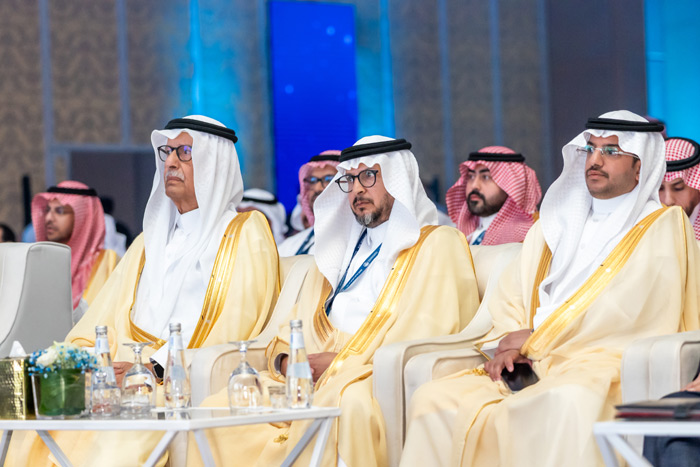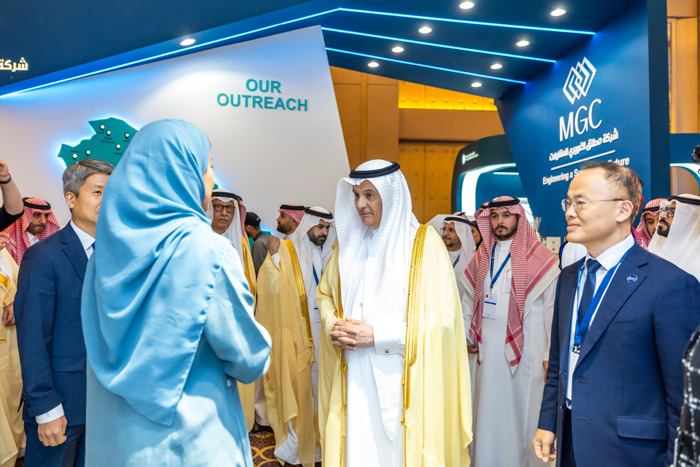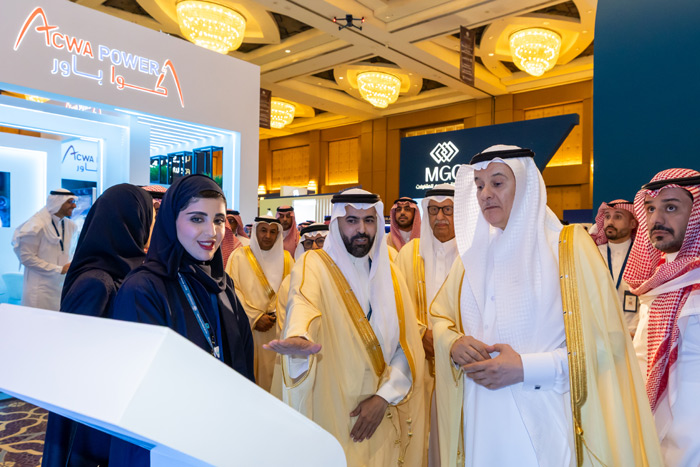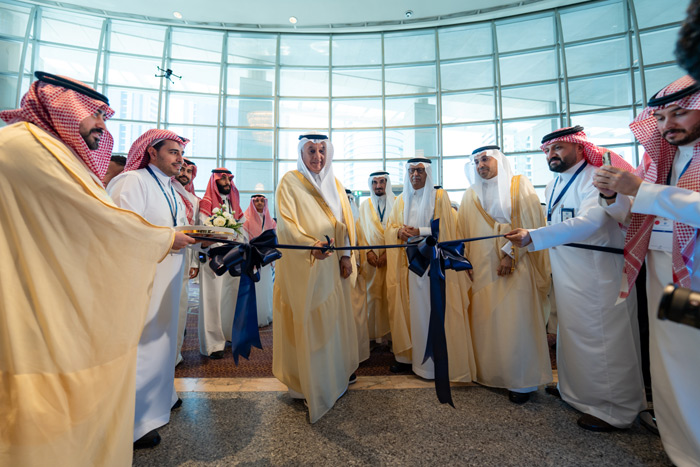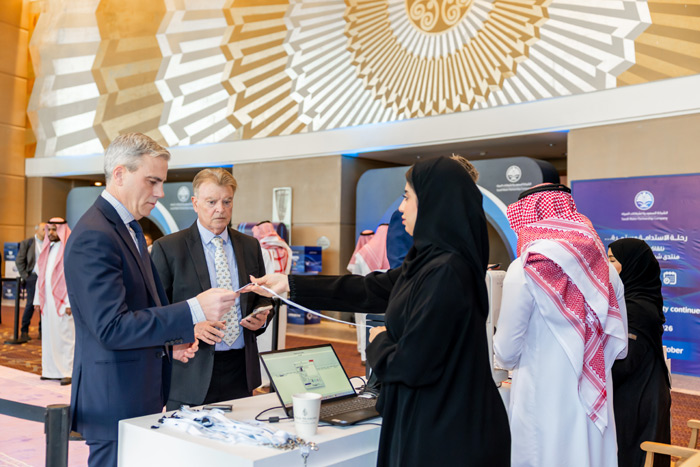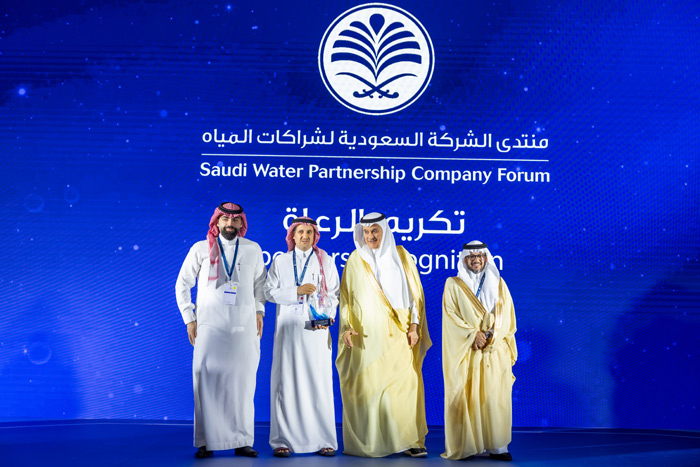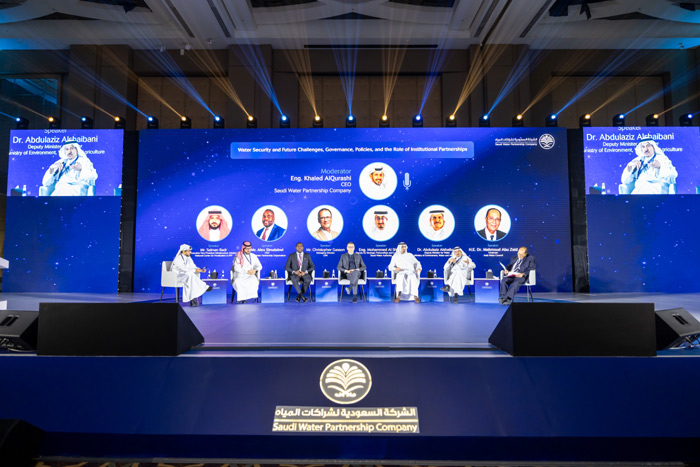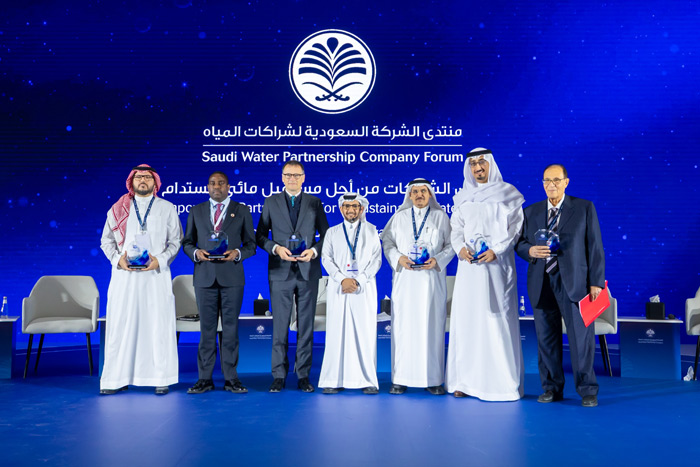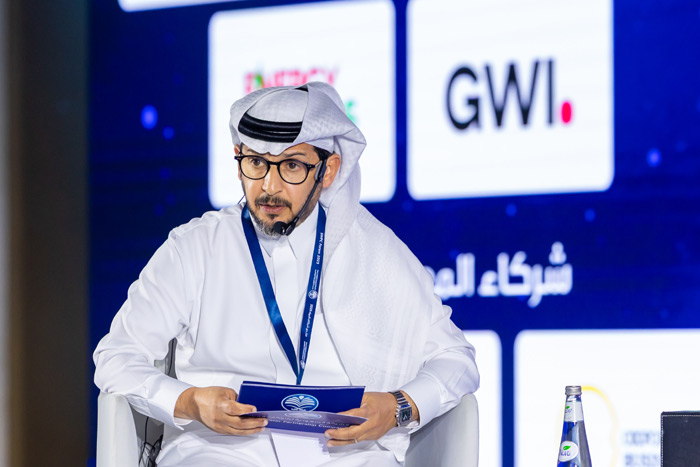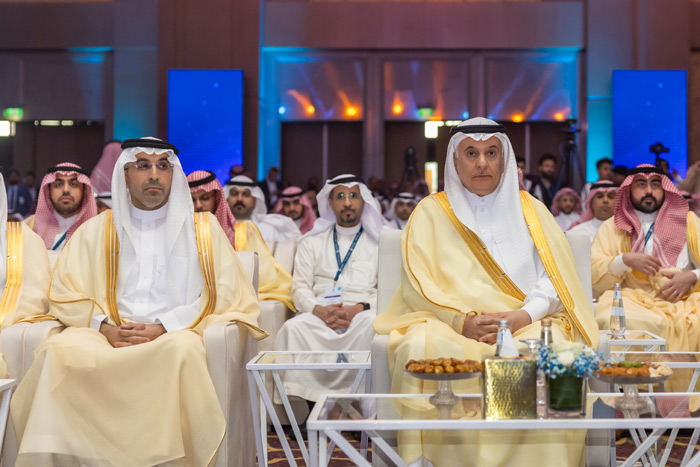
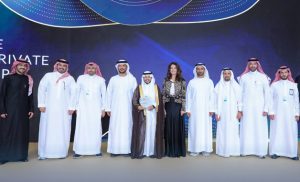
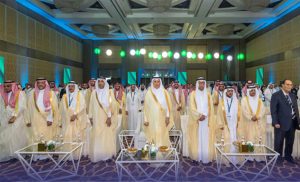
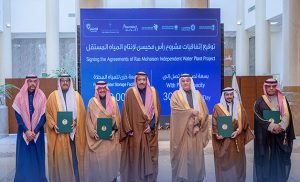
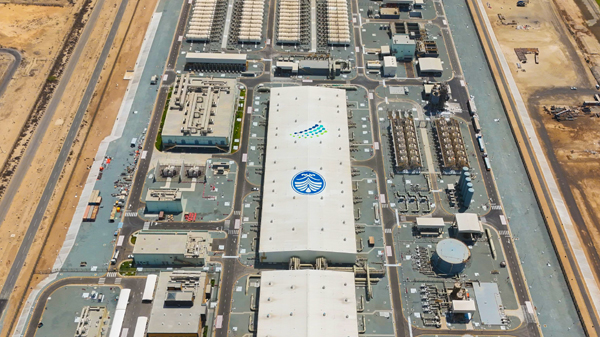

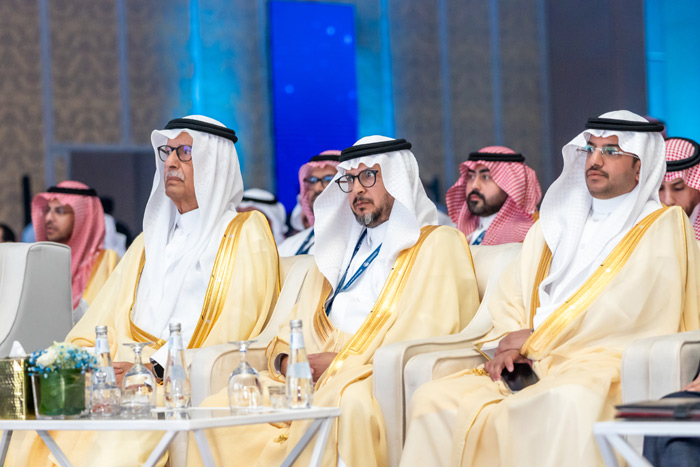
The Water Partnerships Forum 2025 concluded its sessions with remarkable outcomes that underscore its vitality as a leading Saudi platform for advancing water partnerships. The forum attracted over 1,600 participants representing 25 countries, with more than 50 speakers, 25 exhibitors, and over 30 panel discussions and presentations, in addition to 12 hours of live broadcasting. On the media front, 17 media partners covered the forum’s activities, producing over 100 media pieces and 100 social media posts, supported by six sponsoring and defining partners, and a workforce of more than 600 professionals.
In his opening address, the Chief Executive Officer of the Saudi Water Partnerships Company (SWPC), Eng. Khaled Alqureshi stated:
“We gather today under the theme Empowering Partnerships for a Sustainable Water Future, driven by our belief that collaboration is the essence of development and that effective partnerships are the driving force behind efficiency and sustainability. The Kingdom, under its wise leadership, has proven that investing in water is, indeed, an investment in life itself.”
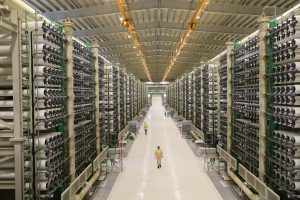
He emphasized that the forum reflects the Kingdom’s firm commitment to strengthening public-private partnerships to achieve sustainable water security, relying on innovation and modern technologies across desalination, treatment, transmission, and storage—aligned with the objectives of Saudi Vision 2030.
He added that through the public-private partnership model, SWPC has successfully attracted private investments exceeding SAR 57 billion, reduced water production costs from SAR 3.42 to SAR 1.79 per cubic meter, and achieved annual savings exceeding SAR 2.6 billion. Moreover, energy consumption was reduced from 4.28 to 2.90 kWh per cubic meter, while the conversion of the Shuaibah 3 plant to reverse osmosis technology saved 100 million barrels of oil, valued at more than SAR 21 billion, and cut carbon emissions by over 9.7 million tons annually.
He also noted that 45% of the independent water production plants and 50% of the treatment plants operated by the private sector now rely on renewable energy, reflecting the Kingdom’s national drive to adopt sustainable solutions that enhance environmental efficiency and promote the circular water economy.
The forum concluded with participants unanimously affirming that the Kingdom continues to strengthen its position as a global leader in water and infrastructure privatization, and as a key hub for developing water technologies and building strategic, sustainable partnerships that enhance water security and align with its future development ambitions.